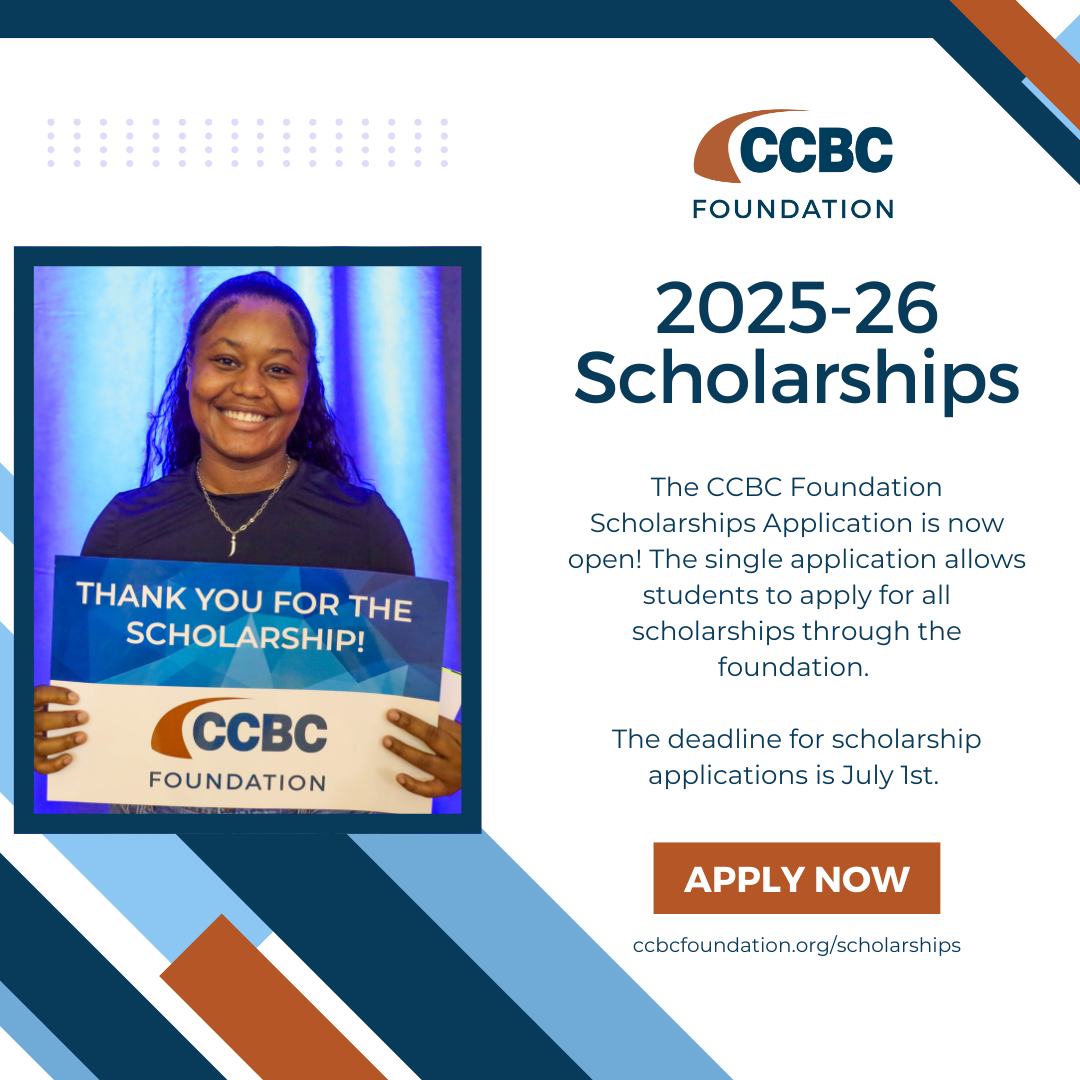
Promise Scholarship Ccbc
Promise Scholarship Ccbc - I am working with promises on nodejs and i want to pass a parameter to a promise function. Whether it's an es6 promise or a bluebird promise, q promise, etc. I copied this code from the guide and tried it in my developer console: How do i test to see if a given object is a promise? I'm trying to learn what promise is, so i started following this guide. The operation behaves as though set_value, set_exception, set_value_at_thread_exit, and set_exception_at_thread_exit acquire a single mutex. This might seem a silly question but i am a newbie in this topic. I was reading the mdn's manual on promise, and i found these two methods which seem similar to me: I am trying to wrap my head around promise object in javascript. So here i have this little piece of code. The operation behaves as though set_value, set_exception, set_value_at_thread_exit, and set_exception_at_thread_exit acquire a single mutex. I copied this code from the guide and tried it in my developer console: Then, promise<{}> is compatible with promise, because basically the only property a promise has is then method, and then is compatible in these two promise types. I'm trying to learn what promise is, so i started following this guide. I am trying to wrap my head around promise object in javascript. The class template std::promise provides a facility to store a value or an exception that is later acquired asynchronously via a std::future object created by the std::promise object. The promise resolution procedure is an abstract operation taking as input a promise and a value, which we denote as [ [resolve]] (promise, x). If x is a thenable, it attempts to make promise. How do i test to see if a given object is a promise? I was reading the mdn's manual on promise, and i found these two methods which seem similar to me: The class template std::promise provides a facility to store a value or an exception that is later acquired asynchronously via a std::future object created by the std::promise object. I copied this code from the guide and tried it in my developer console: So here i have this little piece of code. I am trying to wrap my head around promise. I am trying to wrap my head around promise object in javascript. I have a promise object and two console.log() on either side of the. Whether it's an es6 promise or a bluebird promise, q promise, etc. I copied this code from the guide and tried it in my developer console: I'm trying to learn what promise is, so i. Whether it's an es6 promise or a bluebird promise, q promise, etc. I'm trying to learn what promise is, so i started following this guide. I was reading the mdn's manual on promise, and i found these two methods which seem similar to me: Then, promise<{}> is compatible with promise, because basically the only property a promise has is then. I copied this code from the guide and tried it in my developer console: I am trying to wrap my head around promise object in javascript. Whether it's an es6 promise or a bluebird promise, q promise, etc. The class template std::promise provides a facility to store a value or an exception that is later acquired asynchronously via a std::future. I am trying to wrap my head around promise object in javascript. If x is a thenable, it attempts to make promise. The promise resolution procedure is an abstract operation taking as input a promise and a value, which we denote as [ [resolve]] (promise, x). I was reading the mdn's manual on promise, and i found these two methods. I am trying to wrap my head around promise object in javascript. The class template std::promise provides a facility to store a value or an exception that is later acquired asynchronously via a std::future object created by the std::promise object. The operation behaves as though set_value, set_exception, set_value_at_thread_exit, and set_exception_at_thread_exit acquire a single mutex. So here i have this little. So here i have this little piece of code. The promise resolution procedure is an abstract operation taking as input a promise and a value, which we denote as [ [resolve]] (promise, x). If x is a thenable, it attempts to make promise. The operation behaves as though set_value, set_exception, set_value_at_thread_exit, and set_exception_at_thread_exit acquire a single mutex. I am trying. I am working with promises on nodejs and i want to pass a parameter to a promise function. How do i test to see if a given object is a promise? If x is a thenable, it attempts to make promise. The promise resolution procedure is an abstract operation taking as input a promise and a value, which we denote. How do i test to see if a given object is a promise? So here i have this little piece of code. The class template std::promise provides a facility to store a value or an exception that is later acquired asynchronously via a std::future object created by the std::promise object. I'm trying to learn what promise is, so i started. If x is a thenable, it attempts to make promise. So here i have this little piece of code. I'm trying to learn what promise is, so i started following this guide. I am trying to wrap my head around promise object in javascript. The operation behaves as though set_value, set_exception, set_value_at_thread_exit, and set_exception_at_thread_exit acquire a single mutex. The promise resolution procedure is an abstract operation taking as input a promise and a value, which we denote as [ [resolve]] (promise, x). I'm trying to learn what promise is, so i started following this guide. So here i have this little piece of code. This might seem a silly question but i am a newbie in this topic. I was reading the mdn's manual on promise, and i found these two methods which seem similar to me: The operation behaves as though set_value, set_exception, set_value_at_thread_exit, and set_exception_at_thread_exit acquire a single mutex. I copied this code from the guide and tried it in my developer console: If x is a thenable, it attempts to make promise. I am working with promises on nodejs and i want to pass a parameter to a promise function. I am trying to wrap my head around promise object in javascript. Whether it's an es6 promise or a bluebird promise, q promise, etc. I have a promise object and two console.log() on either side of the.CCBC Watch WBALTV evening news tonight for a segment highlighting

The Promise Scholarship Showcase (Spring 2024) YouTube

CCBC College Promise Scholarships YouTube
CCBC Washington County College Center McMurray PA

College Promise Scholarship Programs

CCBC Foundation and The Wright Promise Establish Scholarship Ellwood

The "Promises" keep coming CCBC President's Blog
CCBC Watch WBALTV evening news tonight for a segment highlighting

CCBC STUDENT GUIDE College Promise Scholarships YouTube

CCBC SPOTLIGHT College Promise Scholarship YouTube
The Class Template Std::promise Provides A Facility To Store A Value Or An Exception That Is Later Acquired Asynchronously Via A Std::future Object Created By The Std::promise Object.
How Do I Test To See If A Given Object Is A Promise?
Then, Promise<{}> Is Compatible With Promise, Because Basically The Only Property A Promise Has Is Then Method, And Then Is Compatible In These Two Promise Types.
Related Post: