Pumphrey Law Scholarship
Pumphrey Law Scholarship - Many python packages only support installation in a virtual environment, in which case it's useful to be able to activate the venv inside a docker container. If there isn't any requirements.txt file i have to create it by hand. How can i do that? The venv module was introduced in python 3.3, so you cannot use it to create virtual environments with python 2.7. Sometimes i download the python source code from github and don't know how to install all the dependencies. You could use the virtualenv package which is a superset of venv. In my project folder i created a venv folder: Historically, a wrapper command pyvenv was provided for this. What should i type onto the. Creating a virtualenv will create a virtual python environment with preinstalled pip, setuptools and wheels. Historically, a wrapper command pyvenv was provided for this. You could use the virtualenv package which is a superset of venv. In my project folder i created a venv folder: Sometimes i download the python source code from github and don't know how to install all the dependencies. What should i type onto the. I'd like to achieve the same result with. Many python packages only support installation in a virtual environment, in which case it's useful to be able to activate the venv inside a docker container. The venv module was introduced in python 3.3, so you cannot use it to create virtual environments with python 2.7. How can i do that? If there isn't any requirements.txt file i have to create it by hand. If there isn't any requirements.txt file i have to create it by hand. What should i type onto the. I'd like to achieve the same result with. In my project folder i created a venv folder: Therefore, when creating a new venv for a new project, i would like to downgrade python, say to 3.8, only for this specific venv. In my project folder i created a venv folder: The venv module was introduced in python 3.3, so you cannot use it to create virtual environments with python 2.7. If there isn't any requirements.txt file i have to create it by hand. You could use the virtualenv package which is a superset of venv. How can i do that? In my project folder i created a venv folder: Many python packages only support installation in a virtual environment, in which case it's useful to be able to activate the venv inside a docker container. Historically, a wrapper command pyvenv was provided for this. The venv module was introduced in python 3.3, so you cannot use it to create virtual. In my project folder i created a venv folder: Creating a virtualenv will create a virtual python environment with preinstalled pip, setuptools and wheels. Historically, a wrapper command pyvenv was provided for this. What should i type onto the. You could use the virtualenv package which is a superset of venv. What should i type onto the. If there isn't any requirements.txt file i have to create it by hand. Therefore, when creating a new venv for a new project, i would like to downgrade python, say to 3.8, only for this specific venv. Creating a virtualenv will create a virtual python environment with preinstalled pip, setuptools and wheels. Historically, a. In my project folder i created a venv folder: Historically, a wrapper command pyvenv was provided for this. How can i do that? Many python packages only support installation in a virtual environment, in which case it's useful to be able to activate the venv inside a docker container. Creating a virtualenv will create a virtual python environment with preinstalled. In my project folder i created a venv folder: If there isn't any requirements.txt file i have to create it by hand. What should i type onto the. Sometimes i download the python source code from github and don't know how to install all the dependencies. Many python packages only support installation in a virtual environment, in which case it's. Historically, a wrapper command pyvenv was provided for this. You could use the virtualenv package which is a superset of venv. Sometimes i download the python source code from github and don't know how to install all the dependencies. The venv module was introduced in python 3.3, so you cannot use it to create virtual environments with python 2.7. Many. I'd like to achieve the same result with. If there isn't any requirements.txt file i have to create it by hand. Creating a virtualenv will create a virtual python environment with preinstalled pip, setuptools and wheels. Sometimes i download the python source code from github and don't know how to install all the dependencies. You could use the virtualenv package. Many python packages only support installation in a virtual environment, in which case it's useful to be able to activate the venv inside a docker container. Therefore, when creating a new venv for a new project, i would like to downgrade python, say to 3.8, only for this specific venv. In my project folder i created a venv folder: How. Creating a virtualenv will create a virtual python environment with preinstalled pip, setuptools and wheels. I'd like to achieve the same result with. What should i type onto the. Many python packages only support installation in a virtual environment, in which case it's useful to be able to activate the venv inside a docker container. Therefore, when creating a new venv for a new project, i would like to downgrade python, say to 3.8, only for this specific venv. Historically, a wrapper command pyvenv was provided for this. You could use the virtualenv package which is a superset of venv. If there isn't any requirements.txt file i have to create it by hand. Sometimes i download the python source code from github and don't know how to install all the dependencies.
Past Scholarship Winners Pumphrey Law
A HUGE Congratulations to the winners of our Fall 2022 Pumphrey Law
Scholarship Flow
Pumphrey Law Scholarship Spring 2017 Winning Essay

Past Scholarship Winners Pumphrey Law

SemiAnnual Pumphrey Law Scholarships
Pumphrey Law The Spring 2020 Scholarship Deadline has... Facebook

Aaron Wayt Pumphrey Law
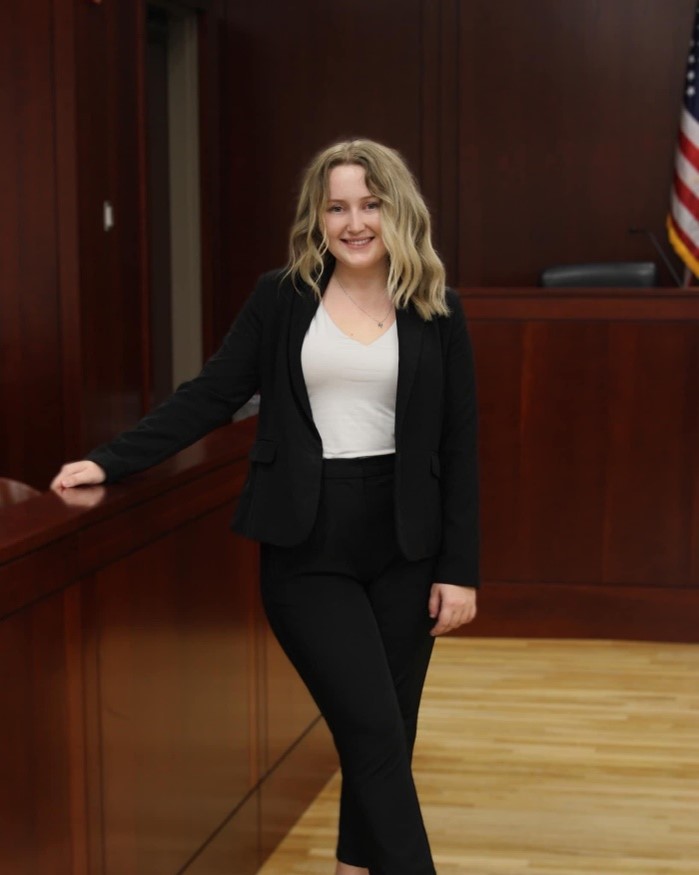
Emma J. Hirschy Pumphrey Law
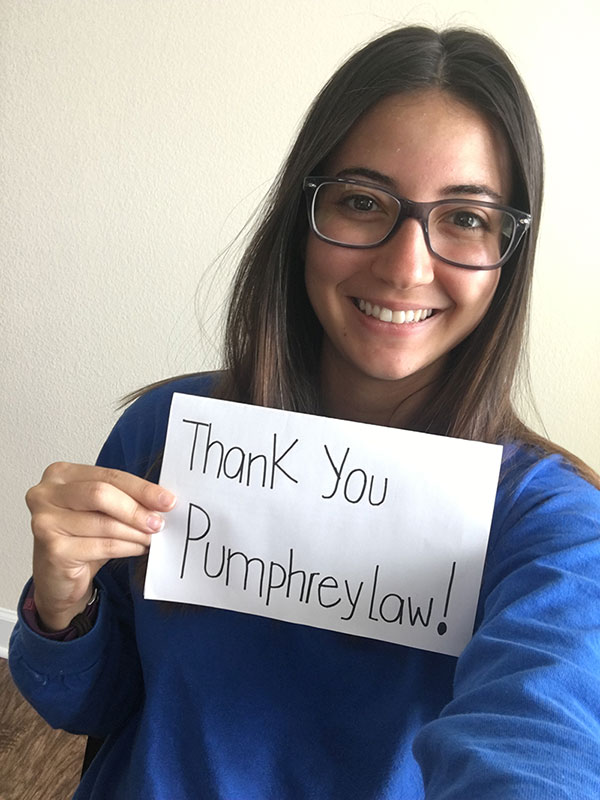
Past Scholarship Winners Pumphrey Law
In My Project Folder I Created A Venv Folder:
The Venv Module Was Introduced In Python 3.3, So You Cannot Use It To Create Virtual Environments With Python 2.7.
How Can I Do That?
Related Post: